

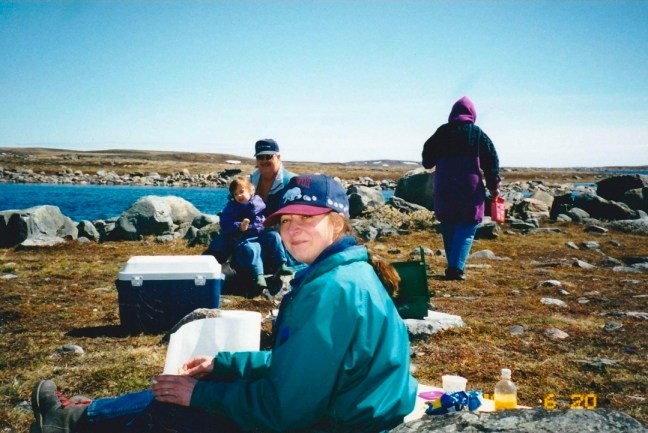
Growing up at a teen in Iqaluit has undoubtedly impacted how I identify, as a woman of mixed heritage.
Centuries of White men had come and gone from Nunavut, but Inuit have remained, and continue to vehemently claim their identity, their language, their culture and their land.
Inuit are the most resilient People I have ever had the pleasure to meet and live alongside.
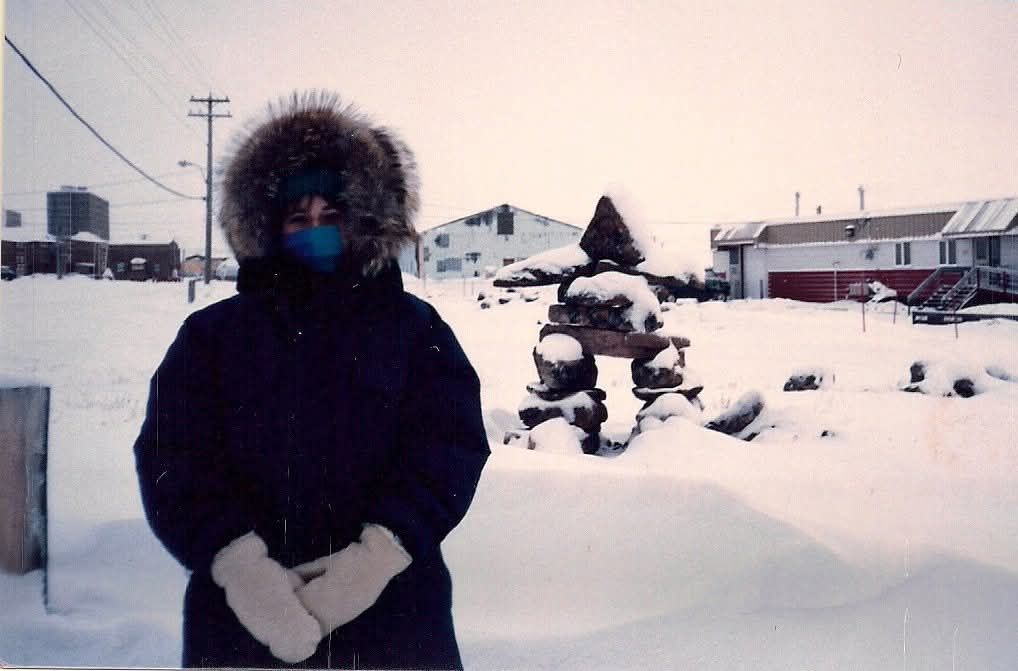
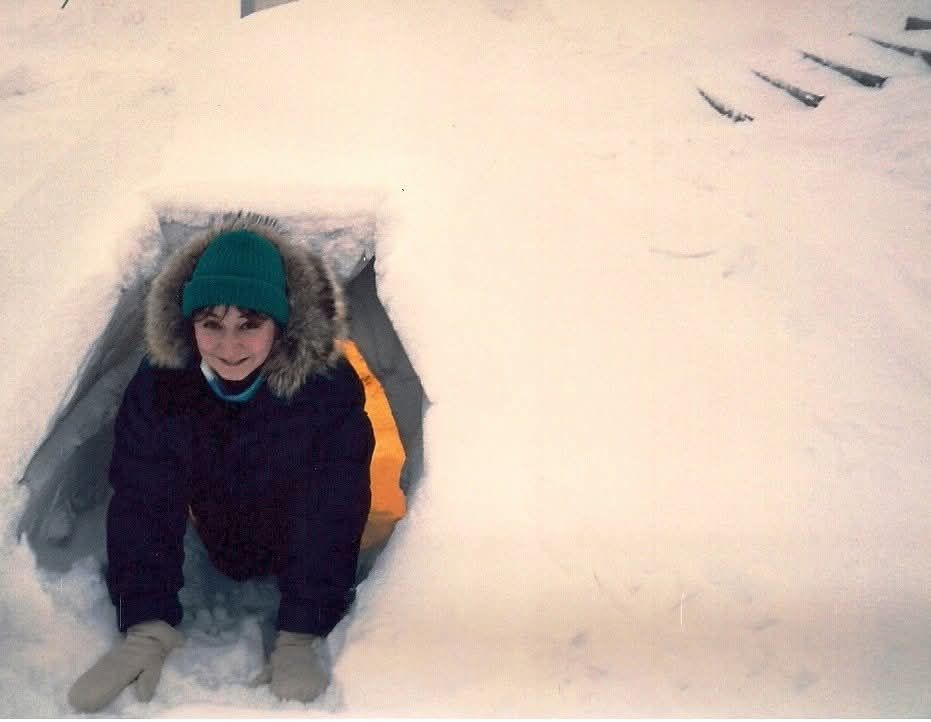
When I first went up North, my father told me he expected me to learn from, and mostly, to respect Inuit traditional knowledge.
He always reminded me of the privilege of witnessing one of the last People to have stood up against colonialism. As a teenager, I don’t think I fully grasped what he meant, but he was constantly drawing parallels with us as Métis and the loss of inherent rights, traditions, knowledge, kinship connections and our sense of community as a People.
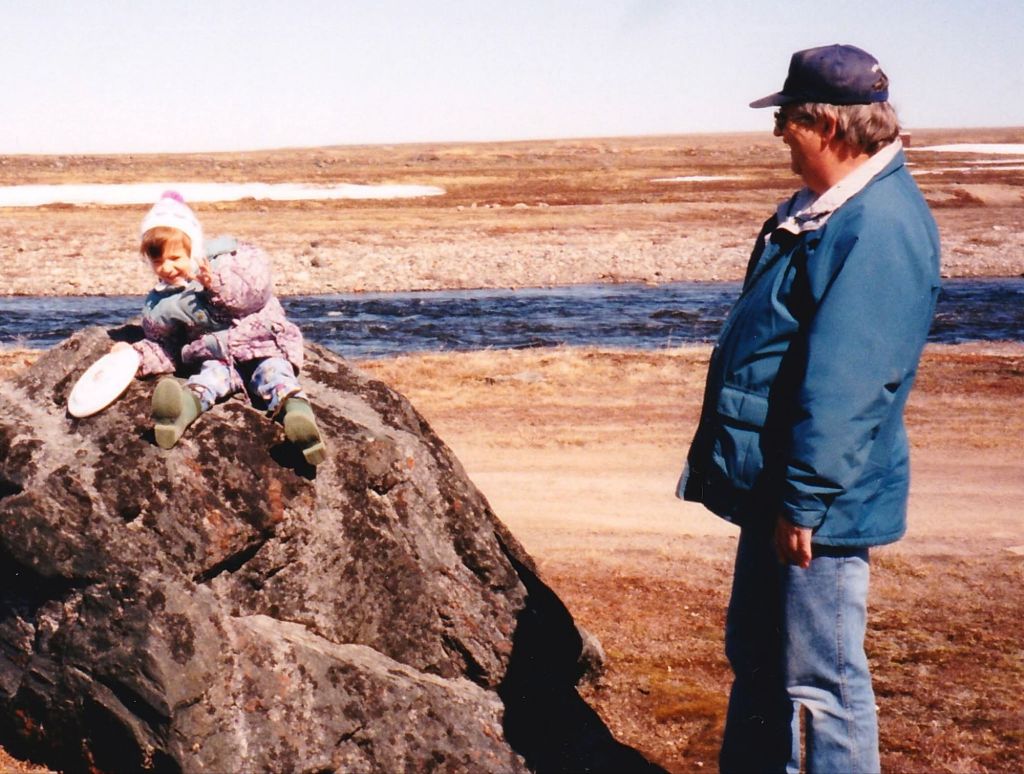
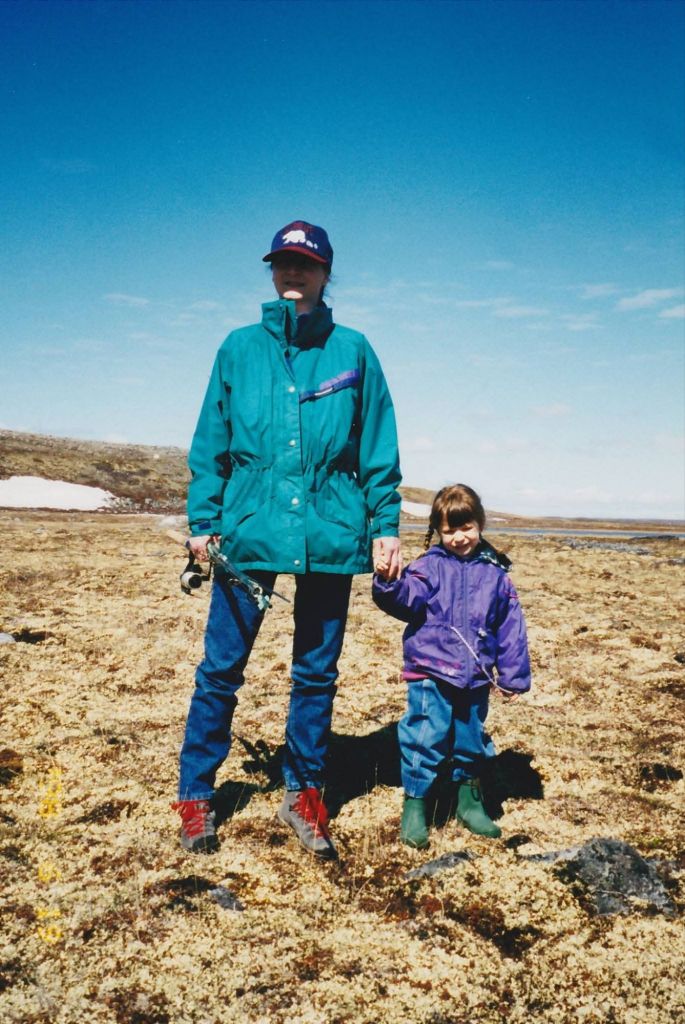
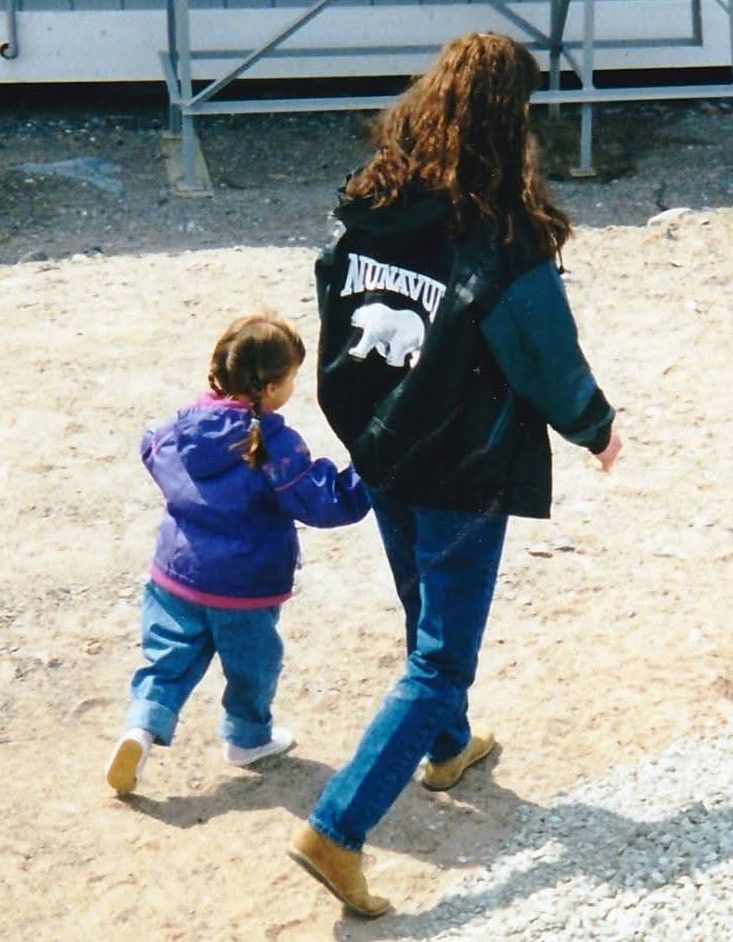
My dad never wanted to leave, but his health made it otherwise. And it’s probably why it felt so much like home to him, and to me. It’s been a little over 20 years since my last visit to Iqaluit. I know so much has changed but I hope the sense of community has remained strong and that blood quantum never becomes an issue to Belonging.
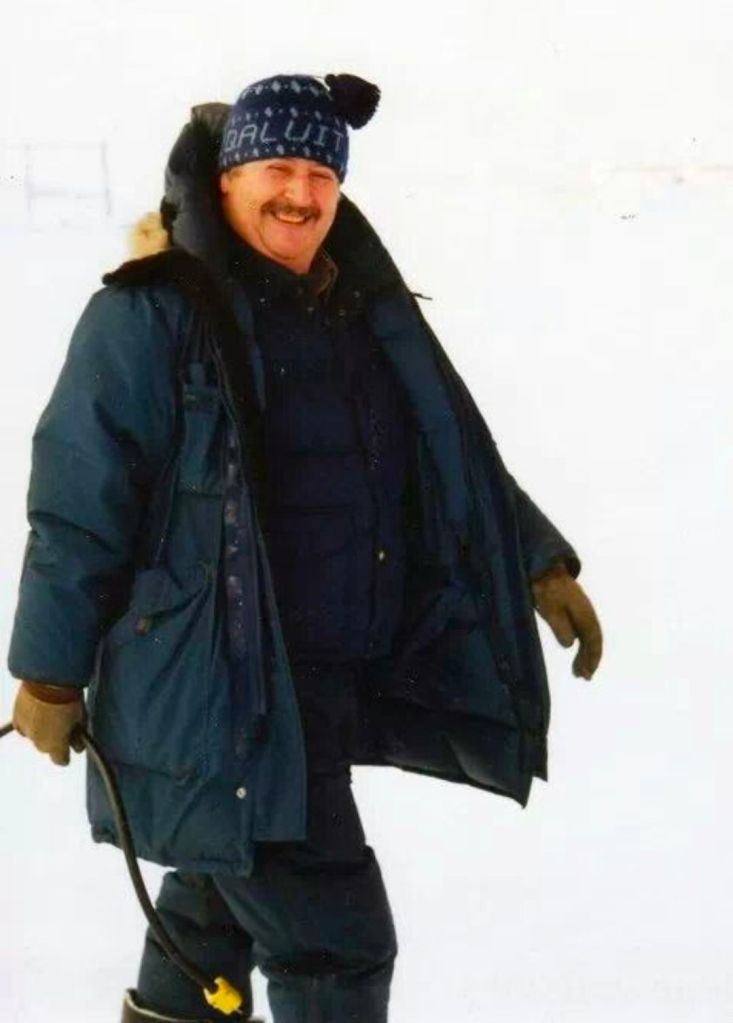
When my dad was growing up in our own community, he knew all the heads of families and could detail our kinship connections to them. He’d always identify someone by naming their grandparents and where specifically they lived within the community. He knew which families had left, living as far West as the Rockies and beyond the Medicine Line, those who had returned and who was a newcomer, even if that family had been in the community for several generations.
It was like that, in Nunavut.
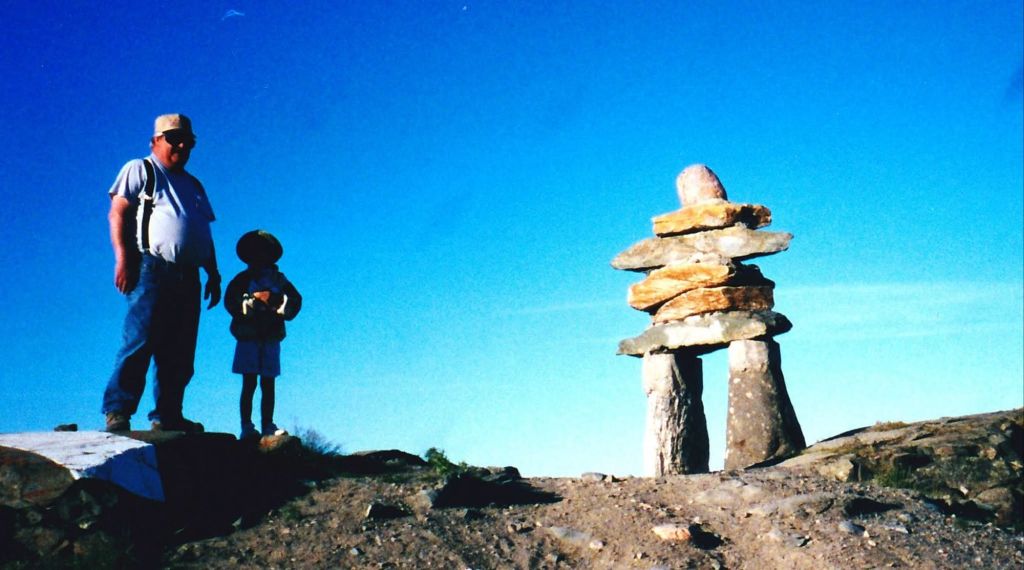
As for the Métis People, I will continue to hope we can somehow recapture that sense of community and kinship.
 Les écrits d'une ♾Abitawiskwe♾ and her writings